
 3 months ago
28
Understand the Purpose Behind Every Display
A successful storefront starts with a goal and not random decoration. Retailers should decide on their message before choosing props, lights, or products for the display. All designs have a purpose—whether it’s a new season, a product type or a brand. Successful retailers are not looking to attract all passersby, but rather a specific target market. This targeted approach enables colors, layouts, materials and featured merchandise all to flow together. A display that has a clear purpose is more polished, memorable and engaging than one with a lot of unrelated visual elements. Also important is creating a solid focal point. One standout element from afar will always catch visitors’ attention before additional details are seen. This hierarchy avoids clutter and makes the whole presentation comprehensible in seconds.Build Visual Interest Through Creative Design Elements
Strong visual merchandising balances creativity with functionality. Every element should contribute to a unified presentation rather than competing for attention.Design Features That Create Strong First Impressions
- The color scheme should be the same throughout the display.
- Use large props for visual effect.
- Use varying heights of products for depth.
- Use open space and highlight products.
- Choose materials that are consistent with the desired brand.
Design a Smarter window display That Encourages Store Entry.
Window displays do more than show the merchandise; they sell it. It provides an environment that encourages people to be inquisitive and to pause as they walk by. Retailers can showcase products in a context that shows how it fits into daily life or certain themes, rather than standing alone. Storytelling is one of the most effective ways to use visual merchandising. Seasonal ideas, art displays, and lifestyle-inspired layouts engage customers at the entry point of the store. The products are no longer presented as individual products, but as part of a bigger story. Sometimes simplicity works just as well. It’s often better to use a clean space around a hero product that is properly lit rather than a busy setup. Strategic restraint focuses the mind in the right direction, and signals confidence and sophistication. Retailers should also consider their window display from different perspectives. Pedestrians will come from various angles; therefore, all views need to be balanced, readable and visually appealing. This 3D solution will guarantee that the presentation is effective no matter where it is first noticed.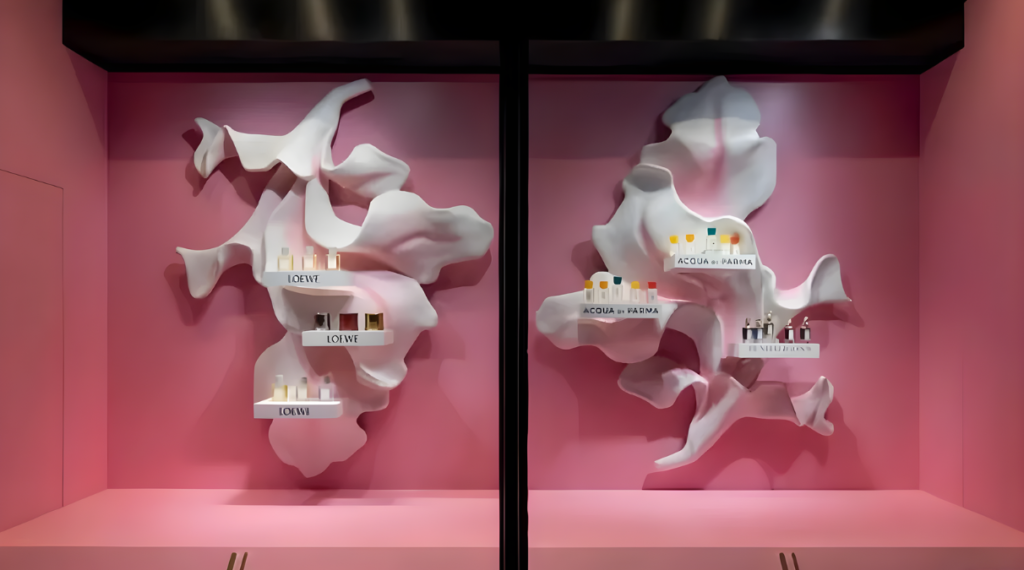
Integrate Technology Without Losing Visual Appeal
When applied strategically, technology has been a great addition to brick-and-mortar stores. Interactive elements should be added to the visual experience, not overpower it. For instance, QR codes can link shoppers to product details, behind-the-scenes craftsmanship or exclusive campaign materials. Motion-activated displays, digital screens and augmented reality experiences can add to the engagement if they add value to the overall concept.Practical Technology Features Worth Considering
- QR codes that link to product pages that have been curated.
- Visual effects that are activated by motion sensors.
- Touch screen displays with interactive information about products.
- AR experiences for selected campaigns.
- Promotional messaging with digital signage.
Balance Creativity With Practical Production Planning
Only reliable production planning can make creative ideas come to life. Even the most creative ideas must be given careful thought as to materials, methods of installation, transportation, and durability. Multiple retailers who are planning many store openings can choose a method of fabrication that will be consistent across all stores. Large sculptural props, high-end finishes and custom-made installations must look the same wherever they are exhibited.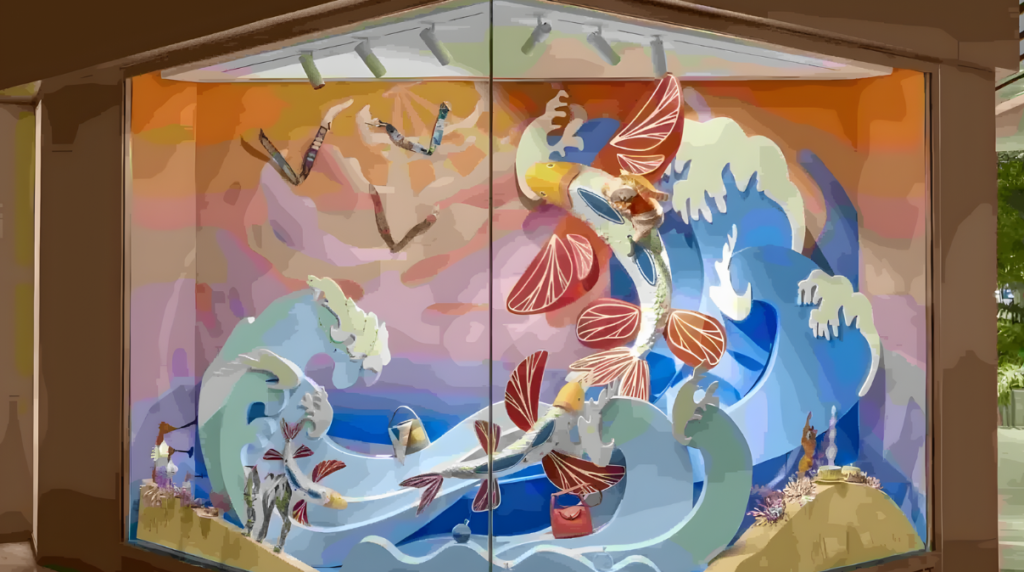
Keep Displays Fresh to Maintain Long-Term Impact
Even the best display will lose its impact if it remains the same over a long period of time. Frequent updates indicate that a business is active, current and involved with the changing of seasons, launching of new products, and consumer interests. Changing themes, colors and featured merchandise creates a reason for repeat visitors to see something new every time they drive by. There are seasonal changes, cultural events and even limited collections which occur throughout the year to offer a chance for some visual refreshment. Performance should be judged not just in terms of appearance. By measuring store traffic before and after big display changes, retailers can determine which creative strategies are more effective. These are the insights that enable more strategic planning for the future and provide continued measurable value for design investments.Conclusion
A good storefront is more than just pretty product organization. It’s a mixture of storytelling, thoughtful design, quality materials, strategic lighting and careful planning that get attention in moments. All visual decisions factor into a potential customer’s perception of a brand before they even step foot in the store. Retailers who have a clear objective, establish a visual hierarchy, use technology purposefully and engage proven manufacturing experts when it makes sense will find their displays continually enticing more people to halt, peruse, and enter. Finally, a smarter display is an investment in a stronger first impression, better brand recognition and long-term retail success.The post Turn More Pasasersby Into Buyers With a Smarter Window Display appeared first on The Hype Magazine.